Family travel in Switzerland — practical considerations and Swiss Travel Pass use
Switzerland's family travel infrastructure is well developed in ways that are not immediately obvious from abroad. The Swiss Travel Pass includes free travel for children under 16 when travelling with a parent holding an adult pass, via the free Family Card — an add-on that costs nothing but must be specifically requested when purchasing the pass. Without the Family Card, children 6–15 pay half the adult pass price; children under 6 travel free on all SBB trains regardless of card type. This single feature changes the economics of family train travel substantially: a family of two adults and two children aged 7 and 10, travelling for 8 days on a standard Swiss Travel Pass, pays only the two adult pass prices once the Family Card is issued. The 2025 adult 8-day Swiss Travel Pass Flex in second class costs CHF 597 per person; with the Family Card, the two-child component is zero.
Beyond the pass economics, Switzerland's family travel advantage lies in the reliability and frequency of the train network. The seven destinations in this guide are all reached by trains that run at minimum every 30 minutes; most run every 15–20 minutes during the day. No destination requires a car. No destination requires advance booking of the transport (though the attractions themselves benefit from pre-booking during school holiday periods, as noted below for each site). The train journey time between the central cities — Zurich, Bern, Lucerne — and each destination is given below; all are genuine half-day excursion distances when the travel time is factored in, returning easily by early evening.
Swiss families use these destinations extensively, which is the most reliable indicator of genuine family suitability. The Technorama in Winterthur, the Swiss Museum of Transport in Lucerne and Zurich Zoo are three of the most-visited cultural and science destinations in Switzerland, not only by tourists but by Swiss schools and families on routine weekend outings. The Rhine Falls at Schaffhausen see approximately 1.5 million visitors per year, many of them Swiss. This consistent domestic use means the facilities — toilets, food options, pushchair access, changing facilities — are maintained to a standard that tourist-only attractions rarely reach.
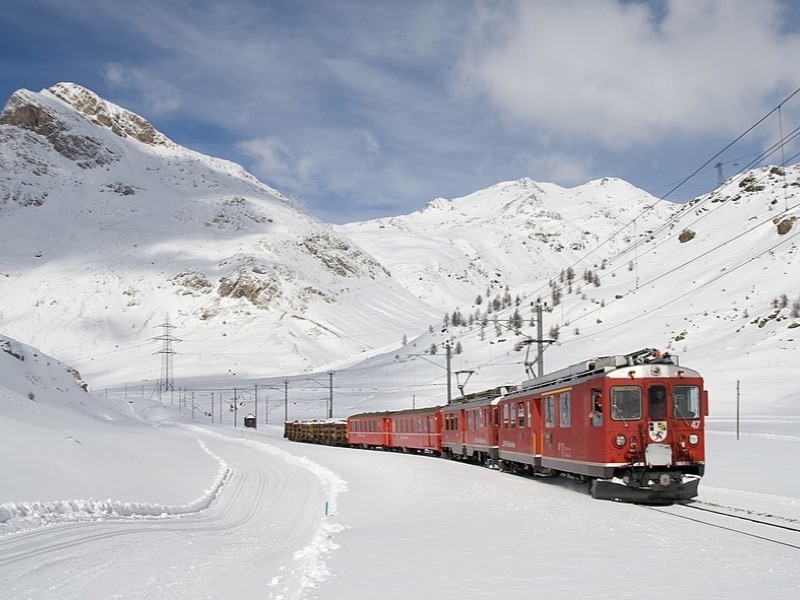
Technorama Winterthur
Switzerland's largest science and technology centre. 500+ interactive experiments across 20 themed areas covering electricity, optics, mechanics, biology and materials. Full day content for children aged 5–16. Adult CHF 32, child 5–16 CHF 24, family (2+2) CHF 84. Swiss Travel Pass: 50% discount. Train: Zurich HB to Winterthur 30 min direct, then 10 min walk.
Full details below
Swiss Museum of Transport, Lucerne
The most-visited museum in Switzerland. Trains, aircraft, automobiles, ships and space — plus IMAX cinema and planetarium. Suits all ages including under-5s. Adult CHF 30, child 6–15 CHF 17, family (2+3) CHF 78. Swiss Travel Pass: free entry. Train: Zurich HB to Lucerne 50 min, then tram or 20 min walk.
Full details below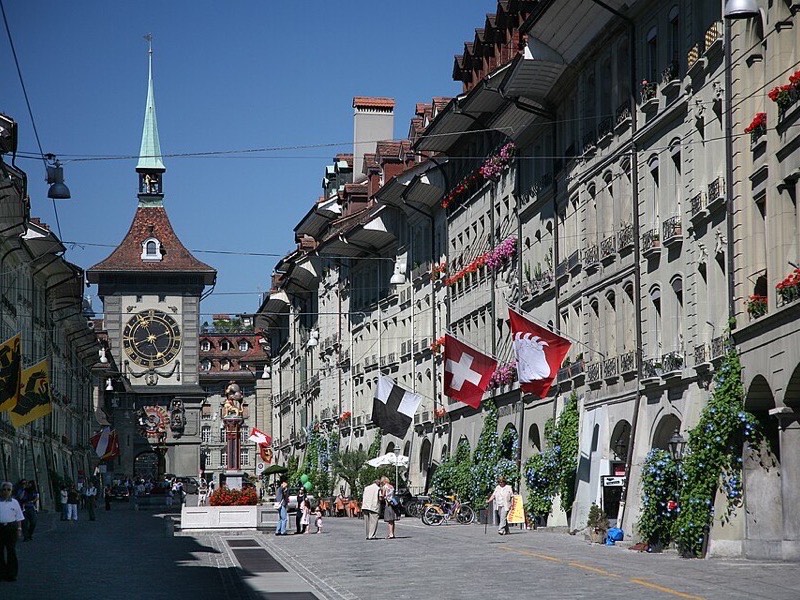
Zürich Zoo
380 species across 44 hectares. Masoala Rainforest Hall (indoor tropical ecosystem), Kaeng Krachan Elephant Park, Lewa Savanna. Full day visit. Adult CHF 29, child 6–15 CHF 19.50, family (2+2) CHF 79. Swiss Travel Pass: free entry. Tram 6 from Zurich HB, 12 minutes to Zürich Zoo stop.
Full details below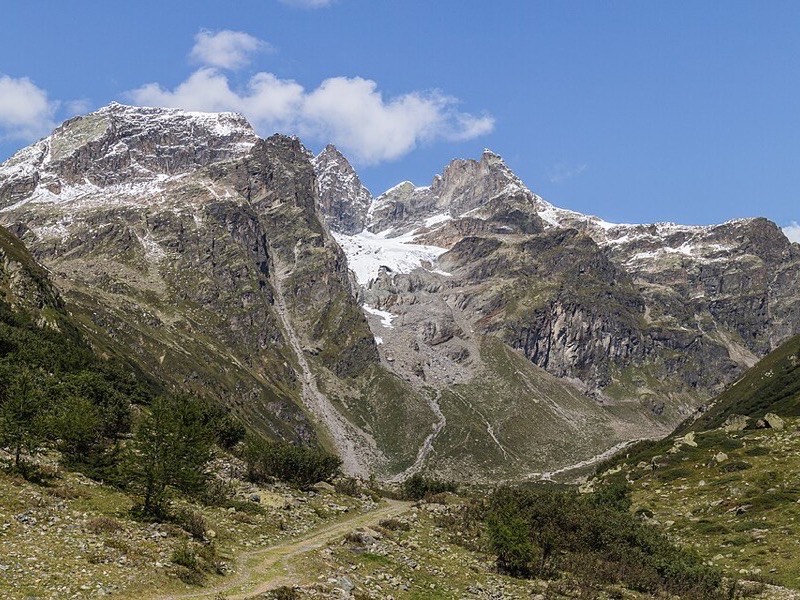
Rhine Falls, Schaffhausen
The largest waterfall in Europe by volume: 750 m wide, 23 m high, 600,000 litres per second at peak flow. Free viewpoints from both banks. Boat to the central rock CHF 8 adult, CHF 5 child. Train: Zurich HB to Neuhausen am Rheinfall 40 min (via Schaffhausen), 10 min walk to viewpoints.
Full details below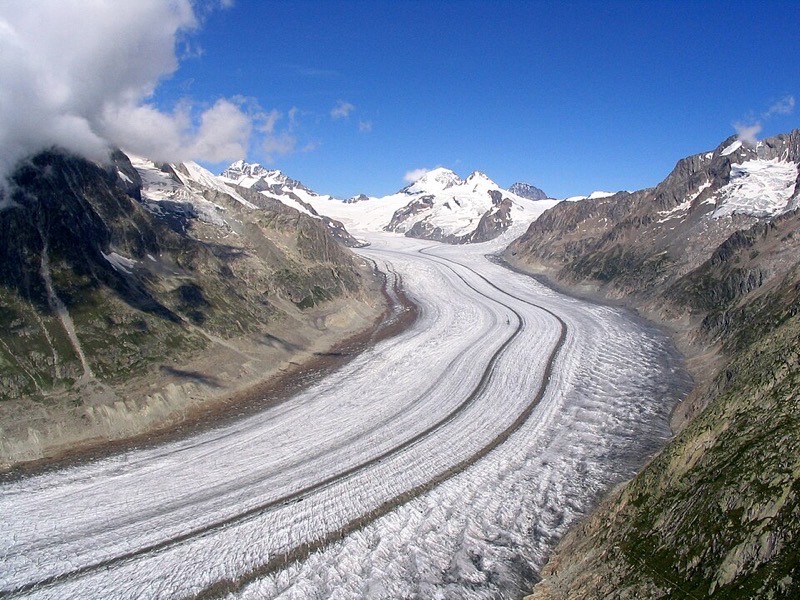
Pilatus Dragon Trail, Lucerne
Summit plateau at 2,073 m with 1.5 km marked family trail through dragon legend waypoints. Round trip by cogwheel railway (world's steepest, 48% gradient) and gondola. Adult full return CHF 72, child CHF 36. Swiss Travel Pass: 50% discount. Train: Lucerne to Alpnachstad 20 min (for rack railway ascent).
Full details below
Ballenberg Open-Air Museum
66 hectares, 100+ historic buildings moved from across Switzerland. Live craft demonstrations: bread baking, cheese pressing, weaving, rope making. All ages, particularly good for 5–12. Adult CHF 32, child 6–15 CHF 16. Swiss Travel Pass: free entry. Train: Lucerne to Brienz (Brünig line) 1 hr 20 min, then bus to Ballenberg.
Full details belowTechnorama Winterthur — Switzerland's science centre
Technorama at Technoramastrasse 1 in Winterthur is the largest science and technology centre in Switzerland and one of the most significant in central Europe. The building covers 18,000 square metres of floor space and houses more than 500 interactive experiments organised across 20 themed departments: electricity and magnetism, optics, mechanics and motion, acoustics, biology, chemistry, environmental systems, space and computation. Everything is designed to be touched, operated and repeated — there are no display-only exhibits. Children aged approximately 5 through 16 find Technorama sustains their attention for a full day; adults without children also use the facility as a standalone destination. Average visit duration is 4–5 hours for a family covering the highlights; a systematic family wanting to engage with every section should allow 6–7 hours.
Admission in 2025: adult CHF 32, child 5–16 CHF 24, family ticket (2 adults + 2 children) CHF 84, additional child CHF 20. Swiss Travel Pass holders receive a 50% reduction, bringing the adult price to CHF 16 and the family-of-four price to CHF 42. The museum is open Tuesday through Sunday 10:00–17:00, closed Mondays (open on most public holidays; check the calendar for exceptions around Christmas and Easter). There is a large indoor canteen serving hot meals, sandwiches and drinks at CHF 12–18 for a main course; the canteen quality is above average for an institution of this type. Picnic tables outside are available in good weather.
Train access from Zurich HB: frequent direct trains every 10–15 minutes, journey 28–32 minutes, Swiss Travel Pass valid. From Winterthur station, walk northeast for approximately 12 minutes through a residential area following the brown museum signs, or take bus 5 to the Technorama stop (two stops, three minutes, also SBB pass valid). Pre-booking is not required but is strongly recommended during Zurich school holidays (typically two weeks in February, two weeks in April, late June through mid-August, two weeks in October) when queueing at the door can add 20–40 minutes. Online tickets at the standard price are available via the Technorama website.
Swiss Museum of Transport, Lucerne — the most-visited museum in Switzerland
The Verkehrshaus der Schweiz (Swiss Museum of Transport) at Lidostrasse 5 in Lucerne is, by attendance, the most visited museum in Switzerland, receiving over 700,000 visitors per year. It covers the full history of Swiss transport — railways, road vehicles, aviation, shipping and space — across a campus of interconnected halls with exterior exhibits including an Airbus A310, a Swissair Douglas DC-3 and a collection of historic steam locomotives in a dedicated rail hall. The scope is genuinely comprehensive: the rail section alone covers 150 years of Swiss railway history from early mountain rack railways through to the current Stadler FLIRT and Bombardier Twindexx intercity trains used on SBB today.
Admission in 2025: adult CHF 30, child 6–15 CHF 17, child under 6 free, family ticket (2 adults + up to 3 children) CHF 78. Swiss Travel Pass holders enter free — this is one of the 500+ museums included in the pass with no supplement required. The IMAX film theatre on site (separate admission CHF 18 adult, CHF 12 child; discounted combination tickets available at the entrance) shows science and nature films on a screen 20 metres high, with screenings approximately every 75 minutes from 10:30. The Hans Erni Museum within the same complex holds the largest collection of work by the Swiss artist Hans Erni (born 1909, died 2015 at age 106), included in the standard admission. The planetarium at the south end of the campus offers star shows in German and English; check the daily schedule at the entrance, admission included with museum ticket.
Average visit duration is 3–4 hours for families covering the main halls; the full campus including outdoor exhibits takes 5–6 hours. The canteen and restaurant within the museum complex serve hot meals from 11:30 to 14:30; the outdoor terrace overlooking Lake Lucerne is particularly pleasant in warm weather. Train access: Zurich HB to Lucerne 50 minutes direct, then tram 6 or 8 from Lucerne station to Verkehrshaus in 8 minutes. Alternatively, a lakeside walk from the station follows the Quai path for approximately 20 minutes with continuous lake views. Our lakeside towns guide covers the broader Lucerne itinerary including the Chapel Bridge, Water Tower and lake steamer connections.
Zürich Zoo — rainforest, elephants and savanna
Zürich Zoo at Zürichbergstrasse 221 covers 44 hectares of naturally wooded terrain on the Zürichberg hill above the city and houses approximately 380 species across a series of habitat zones, each designed to reduce visible barriers between visitor and animal. The Masoala Rainforest Hall — opened in 2003 and named for the Masoala peninsula of northeast Madagascar — is a 11,000 square metre glass house containing a complete tropical ecosystem: free-roaming lemurs, fruit bats, chameleons, tortoises and 170 plant species from the actual Masoala ecosystem. Entry is included in the standard admission. The Kaeng Krachan Elephant Park replicates the landscape of the Thai national park of the same name, with the herd of eight Asian elephants (2025 count) visible from multiple viewing points including an elevated walkway above their bathing pool.
Admission in 2025: adult CHF 29, child 6–15 CHF 19.50, child under 6 free, family ticket (2 adults + 2 children) CHF 79. Swiss Travel Pass holders enter free. The zoo is open daily 09:00–18:00 (November–February 09:00–17:00). Tram 6 from Zurich HB runs directly to the Zürich Zoo stop in approximately 12 minutes, every 7–8 minutes during the day; Swiss Travel Pass valid. The Zürichberg forest surrounding the zoo offers additional free walking for families who want to extend the outing; the Dolder sports complex (outdoor swimming pool, ice rink, tennis) is a 15-minute walk from the zoo entrance for families combining the zoo with an afternoon sports session.
For families visiting during school holidays, the zoo is popular on Sunday mornings specifically — arrival before 09:30 gives significantly better animal viewing at the feeding-active enclosures. Pre-booking zoo tickets online saves the queue at the entrance but does not provide discounted admission. Combined with a Zurich city circuit visiting the Landesmuseum (Swiss National Museum, free with Swiss Travel Pass, 10 minutes walk from the main station), a family can fill a full day between the zoo and the city centre without additional cost beyond the train fare.
Rhine Falls, Schaffhausen — Europe's largest waterfall
The Rheinfall (Rhine Falls) near Neuhausen am Rheinfall in the canton of Schaffhausen is the largest waterfall in Europe measured by water volume: at peak summer flow in June and July, up to 600,000 litres per second pass over a 750-metre-wide basalt rock ledge with a maximum drop of 23 metres. The falls are most dramatic in June when snowmelt from the Alps adds to the regular flow; winter flow is lower and the spray plume considerably reduced. The spectacle is free: the viewpoints on both the north bank (Schloss Laufen side, canton Schaffhausen) and the south bank (Schloss Worth side, canton Zurich) are accessible at no charge on foot from the respective railway stations.
The boat service to the central rock in the middle of the falls operates April through October, weather permitting. Tickets cost CHF 8 per adult and CHF 5 per child; the round trip takes approximately 15 minutes and puts passengers on a flat platform at the base of the central rock, surrounded on all sides by the roaring fall. The spray is heavy — waterproof jackets or ponchos sold at the landing stage for CHF 3 are worth using. The castle Schloss Laufen on the north bank charges a viewpoint access fee of CHF 5 adult and CHF 3 child for the covered terrace immediately above the falls; the open viewpoints below the castle are free. Combined admission to boat plus Schloss Laufen terrace: CHF 13 adult, CHF 8 child.
Train access: Zurich HB to Neuhausen am Rheinfall via Schaffhausen, total approximately 40 minutes with one change, Swiss Travel Pass valid throughout. From Neuhausen station, the falls are 10 minutes on foot following the river path. The town of Schaffhausen itself is worth a 90-minute visit for the Munot fortress (CHF 0, open daily May–October) and the preserved medieval old town with its painted oriel windows — our historic quarters guide covers the Schaffhausen old town circuit in detail. Rhine Falls combined with a Schaffhausen old town visit makes a comfortable full day from Zurich, returning no later than 19:00.
Pilatus — the dragon trail and the world's steepest cogwheel railway
Mount Pilatus at 2,073 metres above Lucerne is the most popular mountain excursion from the city and the site of the steepest cogwheel railway in the world (the Pilatusbahn, with a maximum gradient of 48 degrees). The classic round trip from Lucerne combines the lake steamer from Lucerne to Alpnachstad (50 minutes), the cogwheel railway to Pilatus Kulm (30 minutes), the summit plateau walk, the aerial ropeway from Pilatus Kulm to Fräkmüntegg (5 minutes) and the gondola from Fräkmüntegg to Kriens (30 minutes), followed by bus back to Lucerne. This route visits two transport technologies that children find genuinely impressive — the near-vertical rack railway and the 360-degree gondola — and gives the best progression of views from the lake level to the summit.
The Pilatus Drachenpfad (Dragon Trail) is a 1.5-kilometre marked walking route on the summit plateau that follows the medieval legend of the dragon Pilatus, with eight waypoints explaining different aspects of the legend through interpretation panels and small dragon sculptures. The route takes 45–60 minutes at a relaxed family pace and involves moderate rocky terrain suitable for children aged 5 and over. The summit hotel and restaurant at Pilatus Kulm serves hot meals and soup daily from 09:30 to 16:30 (end of service varies by season); lunch for a family of four at the self-service level costs approximately CHF 65–85 including drinks. The terrace view on a clear day encompasses Lake Lucerne, the Berner Alps and, on exceptional days, the Black Forest to the north.
Round trip ticket prices in 2025 (Alpnachstad cogwheel + Fräkmüntegg gondola + Kriens cable car): adult CHF 72, child 6–15 CHF 36, child under 6 free, family (2 adults + 2 children) CHF 180. Swiss Travel Pass holders receive a 50% discount on all sections, bringing the family price to CHF 90. The cogwheel railway runs May through November only; in winter the route operates as cable car and gondola only. The lake steamer from Lucerne to Alpnachstad runs under Swiss Travel Pass; the steamer fare is otherwise CHF 12.40 adult single. Train from Zurich HB to Lucerne: 50 minutes direct. For glacier viewpoints accessible from Lucerne on a second day, the Titlis glacier at Engelberg is a one-hour journey and provides high-altitude glacier access at a mid-range price point comparable to Pilatus.
Mount Rigi — the Queen of the Mountains by rack railway
The Rigi massif at 1,797 metres above Lake Lucerne is reached by two competing rack railways: the Vitznau-Rigi-Bahn from Vitznau on the lake shore (the oldest mountain rack railway in Europe, opened 1871), and the Arth-Rigi-Bahn from Arth-Goldau on the rail main line. Both arrive at Rigi Kulm, the summit station, giving circular routing options that use one line in each direction. The summit plateau is wider and less vertically dramatic than Pilatus, making it better suited to toddlers and families with pushchairs; the Rigi Scheidegg viewpoint (reached by a 45-minute walk from the Rigi Kaltbad intermediate station) gives the best 360-degree lake view on the massif.
Rigi Kaltbad at 1,438 metres is the most family-accessible station: a natural outdoor thermal pool (Mineralbad & Spa Rigi Kaltbad, open year-round, admission CHF 24 adult, CHF 15 child, family CHF 62) sits directly below the station and combines well with the rack railway journey as a half-day circuit. From Vitznau, the rack railway to Rigi Kulm takes 35 minutes; the return route via the Arth-Goldau side adds approximately one hour to the journey but visits different landscape. Vitznau is reached by the Lake Lucerne steamer from Lucerne in 40 minutes; the steamer is covered by Swiss Travel Pass. The Rigi-Bahnen rack railways are not included in the base Swiss Travel Pass but receive a 50% discount; adult return Vitznau–Rigi Kulm CHF 72 full price, CHF 36 with pass; child CHF 36 full, CHF 18 with pass; family (2+2) CHF 180 full, CHF 90 with pass.
Ballenberg Open-Air Museum — Swiss building heritage across 66 hectares
Ballenberg, the Swiss Open-Air Museum at Museumsstrasse 100 in Hofstetten bei Brienz (canton Bern), is one of the most ambitious heritage museums in Europe: 66 hectares of woodland and meadow, 100 historic buildings relocated from their original sites across all 26 Swiss cantons and reconstructed in geographically arranged clusters representing different regional building traditions. A farmhouse from Graubünden stands near one from the Valais; a timbered guild warehouse from Basel-Land is set against a stone-built Appenzell house. Each building is restored to function, not merely display — bread is baked in working ovens, cheese is pressed on a weekly schedule, a rope maker operates the hemp rope walk twice daily, and the sawmill and smithy run on demonstration days throughout the season.
Admission in 2025: adult CHF 32, child 6–15 CHF 16, child under 6 free, family (2 adults + up to 3 children) CHF 78. Swiss Travel Pass holders enter free. The museum is open daily from late April through late October, 10:00–17:00 (last entry 15:30). The Brünig line train from Lucerne to Brienz takes 1 hour 20 minutes (the same route as the Brienzer Rothorn rack railway departure town); a PostBus from Brienz station runs to the Ballenberg east or west entrance in 10 minutes. Swiss Travel Pass covers both the train and the PostBus. From Bern, the journey via Interlaken is approximately 1 hour 45 minutes by train. Advance booking for Ballenberg is not required; the site's scale means that even on busy summer weekends the visitor density feels manageable across the 66 hectares.
For families combining Ballenberg with the Brienzer Rothorn rack railway (steam-hauled, the last purely steam-operated mountain rack railway in Switzerland, open June to October, adult CHF 67 return, child CHF 33.50, Swiss Travel Pass 50% discount), the combination makes a full day from Lucerne with two distinct train experiences and the museum visit. Brienz village itself, on the eastern shore of Lake Brienz, is a reasonable lunch stop between the two activities: the lakeside restaurants serve lake fish (Rötel from Lake Brienz, the closest freshwater equivalent to Arctic char) at CHF 26–34 for a main course. Our lakeside towns guide covers Lake Brienz and the lake steamer between Interlaken Ost and Brienz in detail. For winter mountain excursions with the family, the winter resorts guide covers Grindelwald and the Kleine Scheidegg area, which is accessible from Interlaken and combines naturally with a Brienz visit in the summer months.
Family day trips — questions from our readers
Answers to the most frequently asked questions about planning family excursions in Switzerland by train.
For children aged 6–14, Technorama in Winterthur is the single strongest option from Zurich: 30 minutes by direct train, 500 interactive science experiments, a full day's content without rushing. The Swiss Museum of Transport in Lucerne is the best choice for children of mixed ages including under-5s, with a wider range of exhibits and a shorter demanding-attention span per section. Rhine Falls at Schaffhausen is the best purely outdoor choice, accessible in under an hour from Zurich HB and requiring no advance booking.
The Swiss Travel Pass covers train travel to all seven destinations in this guide. It also includes free entry to the Swiss Museum of Transport in Lucerne and the Ballenberg Open-Air Museum in Brienz, and free entry to Zurich Zoo. The Technorama in Winterthur offers a 50% Swiss Travel Pass discount (adult admission reduced from CHF 32 to CHF 16). Rhine Falls viewpoints are free. The Pilatus rack railway and Rigi rack railways are not included in the base pass but receive a 50% Swiss Travel Pass discount on the combined cable car and rack railway tickets.
See our travel passes page for the full breakdown of which attractions are covered at each pass tier.
The Pilatus Dragon Trail (Drachenpfad) is an easy marked walking route on the summit plateau around Pilatus Kulm (2,073 m) designed for children aged approximately 5 and upward. The trail is 1.5 km long, takes 45–60 minutes at a child's pace and involves no exposed terrain. Younger children can be carried in backpack carriers comfortably. The summit area has a flat terrace suitable for pushchairs around the hotel area, though the full dragon trail involves uneven rocky sections. The return journey by the Pilatus gondola section (Fräkmüntegg to Kriens) is the most gentle descent for young children who are tired.
Ballenberg covers 66 hectares and contains over 100 historic buildings from across Switzerland. A comprehensive visit covering the whole site takes 5–6 hours; most families with young children cover the main circuit in 3–4 hours, focusing on the working craft demonstrations (bread baking, cheese pressing, weaving) and the farm animals. The entrance from the western gate (Brienzwiler side) puts you closest to the most interactive sections. Admission is included with the Swiss Travel Pass; without the pass, adult CHF 32, child 6–15 CHF 16. The last entry is 1.5 hours before closing.
Technorama Winterthur and the Swiss Museum of Transport in Lucerne are both fully indoor attractions that work in any weather. The Swiss Museum of Transport has the additional advantage of the IMAX cinema and the indoor planetarium, which extend the visit further on a wet day without needing to go outside. Ballenberg has covered craft workshops and demonstration areas but is predominantly an outdoor site and loses much of its appeal in heavy rain. Rhine Falls and the mountain excursions (Pilatus, Rigi) are best avoided in low cloud or persistent rain — the views that justify the journey are not visible.