Skip to content
Panoramic view of Swiss Alps from a train window, snow-capped peaks above green valleys
Independent Swiss travel writing from Basel

The railways, glaciers and old towns of Switzerland — documented without commercial bias

Alpenroute Editorial covers the routes that reward preparation: panoramic rail corridors, glacier approach paths, lakeside town itineraries and Bern's medieval lanes. Every review is written in CHF at the fares a traveller pays today.

26
cantons covered
150+
routes documented
2015
writing from Basel since
Editors reviewing printed timetables and route maps at the Basel desk
Who we are

A travel desk that stays funded by readers, not by ticket commissions

Alpenroute Editorial AG was founded in Basel in 2015 by a small team of travel writers and railway enthusiasts who found that most Switzerland travel advice was either produced by tourism boards or tied to affiliate revenue from booking engines. Both arrangements create incentives that do not align with the traveller's actual interests.

Our work is different. We pay our own fares. We ride second class when second class gives the same view. We quote the price at the SBB ticket counter because that is the price you will pay. When a reservation fee is non-optional — as it is on the Glacier Express and the Bernina Express — we say so plainly and include it in every cost calculation.

Over ten years of fieldwork across all 26 cantons, we have documented more than 150 rail routes, 40+ glacier viewpoints and lake circuits, and dozens of historic urban quarters from Bern's arcaded streets to Lugano's lakefront piazzas. That archive forms the backbone of every bespoke itinerary we prepare for consulting clients.

About the editorial desk
Our coverage areas

Six categories. Every canton in scope.

Switzerland's travel geography falls into recognisable patterns. These six categories map the territory our editors have covered since 2015, from the highest railway station in Europe to the market towns of the Swiss Mittelland.

Red cogwheel mountain train climbing above a valley in the Swiss Alps
Rail

Panoramic trains

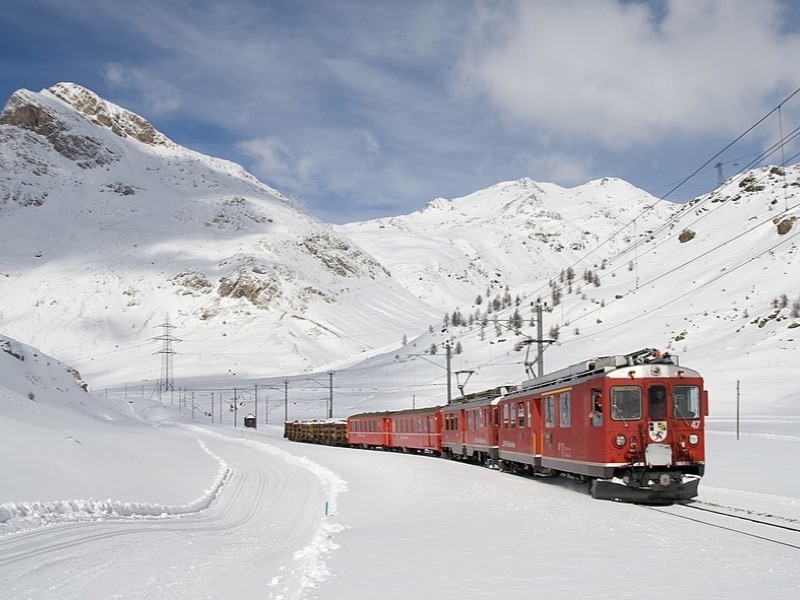
The Glacier Express, Bernina Express, GoldenPass Panoramic and Wilhelm Tell Express — full route breakdowns, fare comparisons, reservation fees and the exact seats worth booking for the best views. We also cover the less-heralded lines: the Lötschberg mountain route and the Reuss valley descent into Lucerne.

Read the train guides
Broad tongue of glacier descending from high alpine peaks, seen from a viewing platform
Alpine

Glacier viewpoints

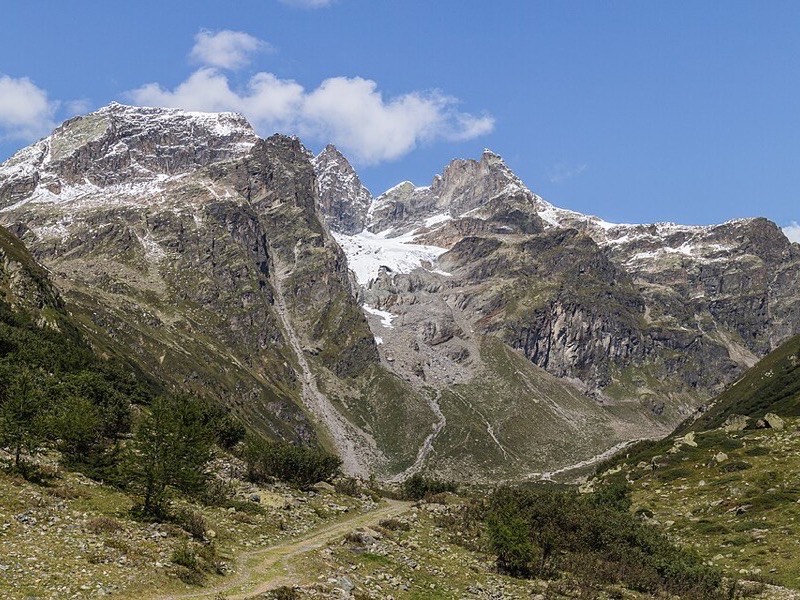
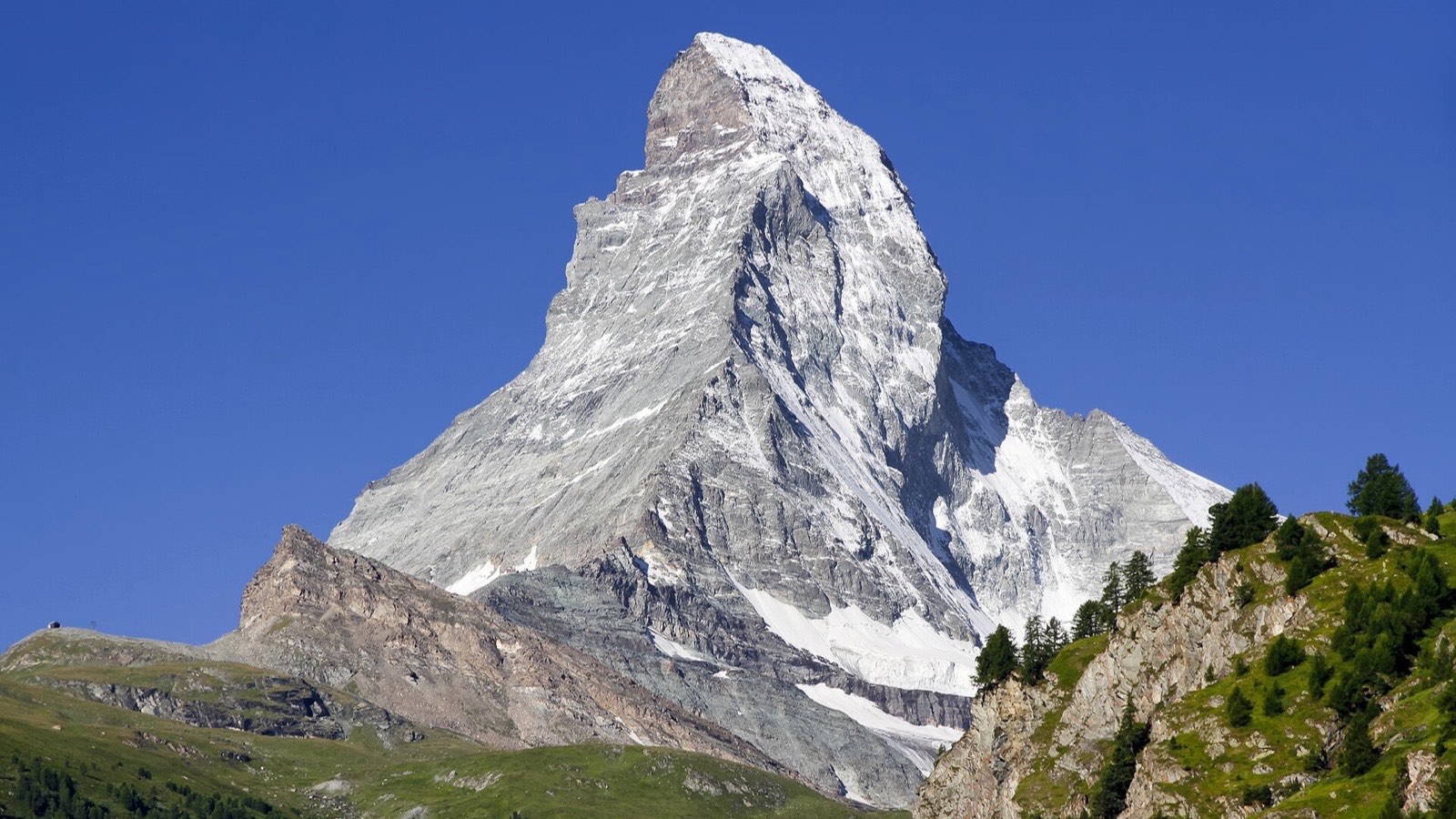
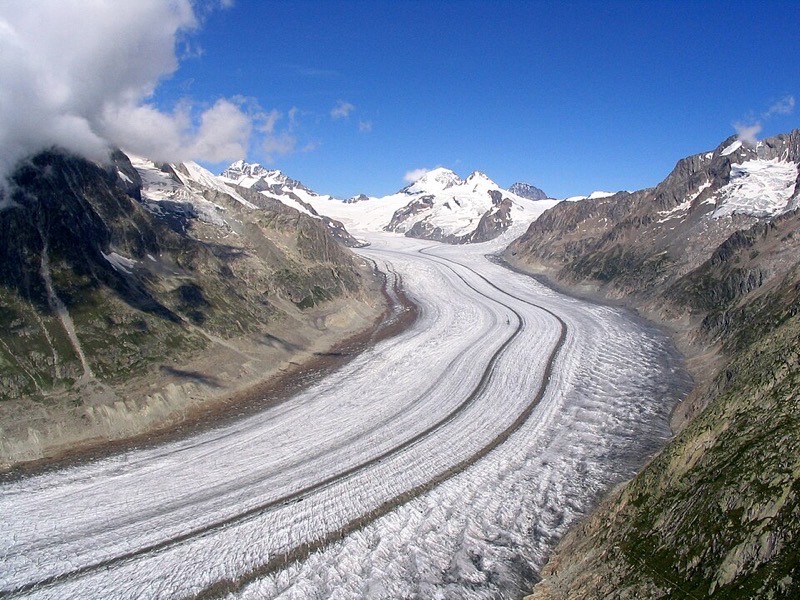
The Aletsch glacier stretches 23 kilometres through the Bernese Alps; the Gornergletscher near Zermatt sits directly below the Matterhorn. We document the approach options for both, plus the Rhone glacier, Grindelwald's retreating ice field and lesser-visited sites accessible without summit-level lift tickets at CHF 50–80 per person.

View glacier guides
Turquoise alpine lake with forested slopes and a small lakeside town reflected in still water
Lakeside

Lakeside towns

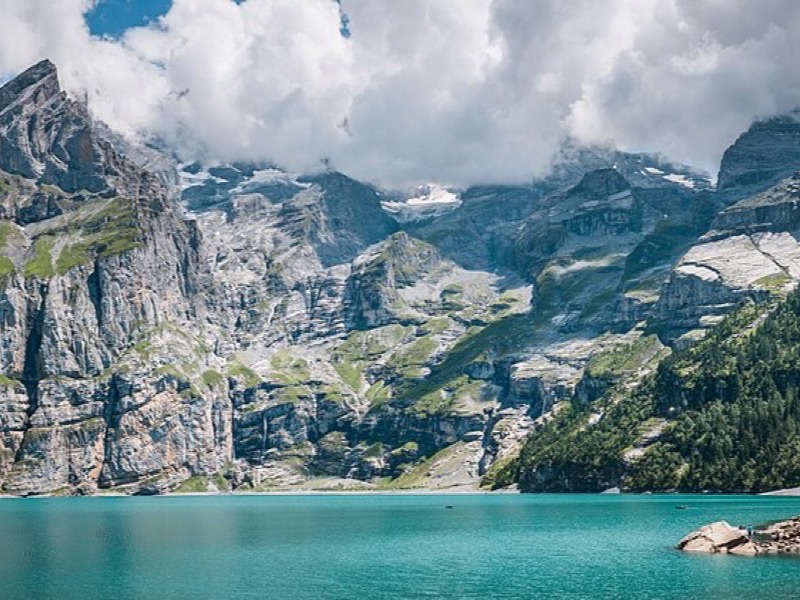
Lake Lucerne, Lake Geneva, Lake Thun, Lake Brienz and the Lago Maggiore shore — we cover the lakeside towns that reward a slow afternoon as well as the steamer routes between them. Includes the Lucerne to Flüelen lake circuit, the Thun to Spiez connection and the lesser-known Murtensee circuit in the Three-Lakes Region.

Explore lake towns
Cobblestoned old town lane with medieval guild houses and an arched passage in Bern
History

Historic quarters

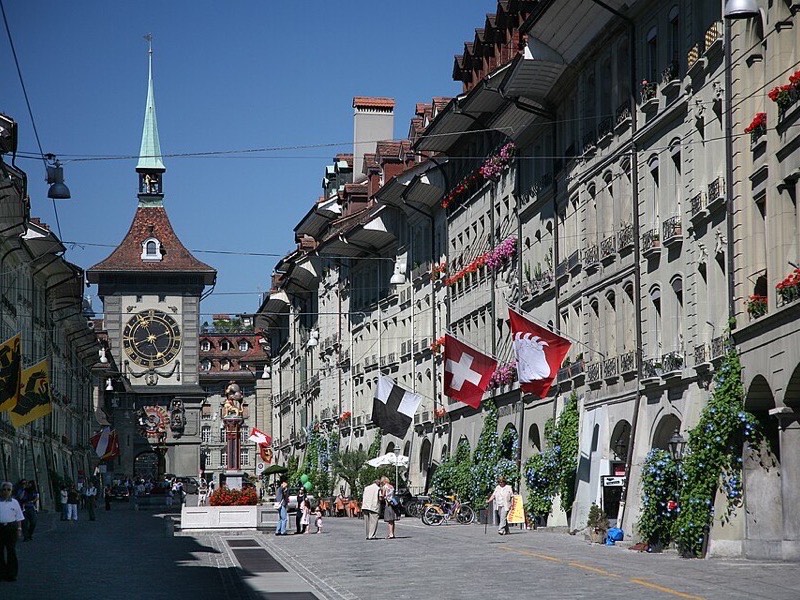
Bern's UNESCO-listed arcades (Lauben) span six kilometres of covered walkway through the old town — the longest medieval covered shopping route in Europe. We also document Schaffhausen's Munot fortress, St. Gallen's Abbey precinct, Solothurn's baroque cathedral quarter and the Rhine riverbank at Stein am Rhein, each with a recommended half-day circuit on foot.

Browse old towns
Forested national park valley in Switzerland with autumn colours and a river below
Seasonal

Winter resorts

Grindelwald, Saas-Fee, Verbier and Arosa are well-documented; we focus on the transport access that most skiing guides skip. Which resorts are reachable entirely by train and PostBus? Where does the Swiss Travel Pass reduce the overall cost meaningfully? And which off-season spring openings give glacier access without December lift queues?

See resort guides
Interior of a quiet Swiss gallery and cultural space with natural light from tall windows
Culture

Food and markets

From Basel's Marktplatz Saturday morning farmers' market to the Bern onion market (Zibelemärit) held each November, to the Christmas market circuit running through Zurich, Geneva and Montreux — we document the food and market calendar that seasonal travellers plan around. Includes regional produce notes and a breakdown of what Swiss restaurant prices look like at each quality tier.

Read food guides
Our process

How the Basel desk works

Editorial independence is easier to claim than to demonstrate. Here is exactly how our content gets made and how we keep bias out of it.

  1. Step 1

    Fieldwork, paid for by us

    Every route assessment begins with a trip our own editors pay for. We purchase tickets at the public counter rate, travel at the times a typical visitor would use and take notes in real conditions — not on a press-tour schedule. For the Jungfraujoch, that means queuing at Grindelwald Grund station at 07:45 on a July morning, not arriving by private transfer. For the Bernina Express, it means booking the standard panoramic carriage at CHF 14 supplement, not sitting in the railway's media cabin. This approach limits how many routes we can cover per year, but it is the only way to produce assessments that are actually useful.

  2. Step 2

    Fact-checking against current SBB timetables and prices

    Switzerland changes its national timetable every December. SBB fares are adjusted annually; lift ticket prices at Zermatt, Grindelwald and Verbier change each season. Before any route guide goes live on this site, a second editor checks every price, every connection time and every reservation requirement against the current season's published data. Prices that have changed are updated before publication rather than left with a disclaimer that says "prices may vary." Our CHF figures are accurate to the season they are tagged to; older seasonal data is archived with a clear date stamp rather than presented as current.

  3. Step 3

    No sponsored placement, ever

    We have been approached by regional tourism organisations in Graubünden, Valais and Ticino, by hotel groups and by a rail pass distributor. We have declined all such arrangements because accepting payment to feature a route or property makes the resulting content useless as independent editorial. Our revenue comes from reader consulting — travellers who pay us to prepare bespoke itineraries — and from occasional licensed use of our written content by media clients. Neither income stream creates an incentive to recommend a route, hotel or pass that does not merit the recommendation on its own terms.

Common questions

Before you start planning

Answers to the questions our consulting clients ask most often — including the ones that rail booking engines tend to answer vaguely.

No. Alpenroute Editorial AG is funded entirely by reader consulting fees and direct editorial contracts. We do not accept commissions, affiliate payments or sponsored placements from SBB, Rhätische Bahn, Swiss Travel System, hotel groups or any regional tourism office. Every route assessment and price comparison on this site reflects the fee a traveller actually pays at the counter or online in Swiss francs.

Late May through early October gives the clearest views of the Matterhorn approaches and the highest sections of the route between Andermatt and Brig. Snow can still be visible on the surrounding peaks well into June, which many travellers find more dramatic than full summer green. For the lowest fares and fewer peak-season crowds, the second and third weeks of September are consistently our top recommendation. The Glacier Express runs year-round; winter journeys through the upper Rhone valley are atmospheric but the panorama windows show more low cloud between December and February.

See our full Glacier Express guide for seat recommendations and booking lead times.

In 2025, a Swiss Travel Pass Flex for 8 days costs CHF 597 in second class and CHF 944 in first class for adult travellers. It covers SBB trains, PostBus services, most lake steamers and urban trams, plus free entry to over 500 museums. Whether it pays off depends on your itinerary: if you plan to ride both the Bernina Express (Chur–Tirano, supplement CHF 14) and the Glacier Express (St. Moritz–Zermatt, reservation CHF 33) plus make several day trips from a central base such as Zurich or Lucerne, the pass typically breaks even on day four or five.

Our travel passes page contains a full cost comparison table across all current pass types and durations.

Yes. The most accessible viewpoint is the Jungfraujoch plateau (3,454 m), reached by the Jungfraubahn rack railway from Grindelwald or Lauterbrunnen. The Jungfraujoch is the highest railway station in Europe and the view across the 23-kilometre Aletsch glacier — the longest in the Alps — is unobstructed from the Sphinx observation terrace. A full-day adult return ticket from Grindelwald runs CHF 213.80 (2025 price with Swiss Travel Pass discount). An alternative viewpoint at Bettmeralp, accessible by cable car from Betten, costs considerably less and puts you directly at the glacier edge with no summit crowds. Read the full breakdown in our glacier viewpoints guide.

Lucerne is the editorial desk's standard recommendation for a first-time visitor combining lake scenery, a medieval old town and convenient rail connections. The Chapel Bridge (Kapellbrücke), the Water Tower and the Lion Monument are within fifteen minutes on foot from the main station. Lake Lucerne steamers run to Vitznau — the starting point for the Rigi rack railway — and to Weggis and Brunnen. For travellers who prefer a quieter atmosphere with fewer tour groups, Thun at the western end of Lake Thun and Murten on the smaller Murtensee are consistently cited by our editors as underrated alternatives with better value accommodation. See our lakeside towns guide for full itineraries and steamer timetable notes.

Use the contact form to send us your travel dates, preferred style (city-focused, mountain-heavy or mixed), budget per day in CHF and any mobility or dietary considerations. Our Basel desk typically responds within one working day with a draft itinerary that includes specific train numbers, reservation requirements, advance booking deadlines and a transparent cost breakdown. We can also prepare a PDF route card you can carry offline. There is no charge for an initial outline; full bespoke itinerary work is priced according to the complexity and length of the trip — see our pricing page for the current fee structure.

Ready to plan your Swiss journey?

Send us your travel dates and preferred style. Our Basel desk prepares a route outline — with specific trains, CHF costs and reservation deadlines — within one working day.

Ask the Basel desk